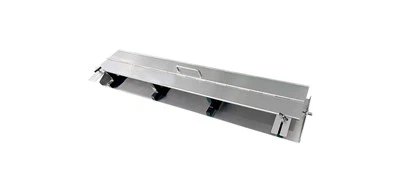

The electrostatic discharge (ESD) test bench is a crucial piece of equipment in the field of electromagnetic compatibility (EMC) testing. It plays a vital role in evaluating the immunity of electronic devices to electrostatic discharges, which can cause malfunctions or permanent damage. One significant factor that can influence the performance and accuracy of an ESD test bench is its load capacity. In this blog post, as a supplier of ESD test benches, I will delve into how the load capacity affects an ESD test bench and why it matters in ESD testing.
Understanding Load Capacity in the Context of ESD Test Benches
Load capacity in an ESD test bench refers to the maximum amount of electrical load that the test bench can handle without significant degradation in its performance. This includes the ability to withstand the electrical current and voltage associated with ESD events during testing. The load can come from various sources, such as the device under test (DUT), cables, and any additional equipment connected to the test bench.
A test bench with a higher load capacity can generally accommodate larger and more complex DUTs. For example, modern electronic products often have multiple components, complex circuit boards, and high - power consumption. These devices may draw more current and generate a higher electrical load during ESD testing. If the test bench has insufficient load capacity, it may not be able to provide a stable testing environment, leading to inaccurate test results.
Impact on Test Accuracy
One of the primary ways load capacity affects an ESD test bench is through test accuracy. When the load on the test bench exceeds its capacity, several issues can arise. For instance, the voltage and current waveforms during an ESD event may deviate from the standard waveforms defined in ESD testing standards such as IEC 61000 - 4 - 2.
These standards specify precise waveforms for ESD pulses to ensure consistent and reliable testing across different laboratories and test setups. If the test bench cannot handle the load, the actual waveforms applied to the DUT may be distorted. This distortion can cause false positives or false negatives in the test results. A false positive may lead to unnecessary design changes in the DUT, while a false negative can allow defective products to reach the market, potentially resulting in customer dissatisfaction and product recalls.


Influence on Test Reproducibility
Test reproducibility is another critical aspect of ESD testing. Reproducibility means that the same test, when conducted under the same conditions, should yield the same results. The load capacity of the test bench has a direct impact on reproducibility.
If a test bench has a low load capacity, small changes in the load, such as the addition of a new cable or a minor modification to the DUT, can cause significant variations in the test results. This is because the test bench is operating near its limits, and any additional load can push it into an unstable operating region. On the other hand, a test bench with a high load capacity is more likely to provide consistent results, as it can better handle small fluctuations in the load without being significantly affected.
Compatibility with Different ESD Guns
The load capacity of an ESD test bench also affects its compatibility with different ESD guns. ESD guns are used to generate electrostatic discharge pulses for testing purposes. There are different types of ESD guns available on the market, such as the 20kV ESD Gun and the 30kV ESD Gun.
Higher - voltage ESD guns generally deliver more energy during an ESD event, which means they create a higher electrical load on the test bench. A test bench with a low load capacity may not be able to work properly with high - voltage ESD guns. For example, it may not be able to provide the necessary grounding and impedance matching, which can lead to reflections and other electrical issues. This can not only affect the test results but also potentially damage the ESD gun or the test bench itself.
Thermal Considerations
Load capacity is also related to thermal management in an ESD test bench. When a test bench is operating under a high load, it generates more heat. If the test bench does not have sufficient load capacity to handle the heat generated, it can lead to overheating.
Overheating can cause several problems. It can degrade the performance of the test bench components, such as resistors and capacitors, leading to changes in their electrical properties. This, in turn, can affect the accuracy of the ESD testing. Additionally, overheating can pose a safety risk, as it may cause damage to the test bench or even start a fire in extreme cases. A test bench with a higher load capacity is typically designed to handle the increased heat load more effectively, for example, through better ventilation or more robust heat - dissipating components.
Applications and Load Requirements
The load requirements for an ESD test bench depend on the specific applications. In consumer electronics testing, for example, the load capacity requirements may be relatively lower compared to industrial or automotive electronics testing.
Consumer electronics devices are generally smaller and have lower power consumption. However, they still need to be tested for ESD immunity to ensure reliable operation. A basic ESD Test Bench with a moderate load capacity may be sufficient for testing smartphones, tablets, and other small consumer devices.
On the other hand, industrial and automotive electronics often have higher power requirements and more complex electrical systems. These applications may require a test bench with a much higher load capacity. For example, automotive electronics need to withstand harsh ESD environments, and the DUTs can be large and power - hungry. A test bench with a high load capacity is necessary to accurately simulate the real - world ESD conditions and ensure the reliability of these critical systems.
Choosing the Right Load Capacity for Your ESD Test Bench
When choosing an ESD test bench, it is essential to consider the load capacity based on your specific testing needs. First, you need to assess the type and size of the DUTs you will be testing. If you plan to test a wide range of devices, from small consumer electronics to large industrial equipment, you may need a test bench with a high and adjustable load capacity.
It is also important to consider the future growth of your testing requirements. As technology evolves, electronic devices are becoming more complex and power - hungry. By choosing a test bench with a higher load capacity than your current needs, you can ensure that the test bench will remain relevant and useful in the long term.
The Role of Our ESD Test Benches
As a supplier of ESD test benches, we understand the importance of load capacity in ESD testing. Our ESD Test Benches are designed with a wide range of load capacities to meet the diverse needs of our customers. Whether you are testing small consumer electronics or large industrial equipment, we have a test bench that can provide accurate and reliable results.
In addition to our high - quality test benches, we also offer other ESD testing equipment, such as the HBM MM ESD Immunity Tester ESD 8K. Our products are designed and manufactured to meet the strictest international standards, ensuring that you get the best performance and reliability in your ESD testing.
Conclusion
The load capacity of an ESD test bench has a significant impact on its performance, test accuracy, reproducibility, compatibility with ESD guns, and thermal management. Choosing the right load capacity is crucial for ensuring accurate and reliable ESD testing results. As a leading supplier of ESD test benches, we are committed to providing our customers with high - quality products that can meet their specific load capacity requirements.
If you are in the market for an ESD test bench or other ESD testing equipment, we invite you to contact us for a detailed discussion about your needs. Our team of experts is ready to assist you in selecting the most suitable products for your ESD testing applications.
References
- IEC 61000 - 4 - 2: Electromagnetic compatibility (EMC) - Part 4 - 2: Testing and measurement techniques - Electrostatic discharge immunity test.
- Various technical papers on ESD testing and test bench design from industry conferences and research institutions.